

Russia and its thieving citizens are brazenly stealing not only the assets of tens of thousands of large and small businesses in the occupied territories of Ukraine. They are also appropriating well-known Ukrainian brands. One might say, this is a long-standing state policy of Russia. However, in every case of theft, there are specific perpetrators – companies and their owners – who must be added to sanctions lists along with all their assets in Russia, and who are obliged to compensate the rightful owners for their losses. That is precisely why we are tracking them down, identifying them and naming them.
We have previously reported on the decline of the fishing industry in Crimea and Sevastopol, and on the Russian takeover of Crimean enterprises. In particular, we have highlighted how Russia is destroying all marine life in the Azov and Black Seas with impunity, polluting the waters with oil products and as a result of military operations. It is forcing Crimean fishermen out of business by imposing unrealistic requirements for fleet modernisation. Meanwhile, Russians are aggressively entering the fish market of Crimea and Sevastopol. We have identified leading Crimean collaborators and Russians who, without the permission of the Ukrainian government, are fishing off the coast of the occupied peninsula. And the Crimean Prosecutor’s Office has already included this evidence in the criminal proceedings.
Today we conclude this unique trilogy on fishermen and fish with an investigation into the largest fish canning factories on the occupied peninsula. Historically, these were located in Kerch and Sevastopol. This tradition has been preserved to this day; Russian occupants built nothing new, although they have made extensive use of the seized Ukrainian facilities and resources.
After the Russian annexation of Crimea in 2014, President Poroshenko, Yatsenyuk and Groysman governments and the majority of Ukrainian Members of Parliament allowed Ukrainian owners to keep their businesses on the occupied peninsula thanks to the bogus ‘Crimea Free Economic Zone’. Now they are going bankrupt en masse. Their factories, with their well-known brands, have been taken over by Russian intruders, who supply Crimean canned goods to the Russian troops.
The oldest fish canning factory of Kerch celebrated its 150th anniversary with Russian military band and a new name. The Russian owners added the year of establishment of the Peters and Zhukovsky fish factory – 1873 – to the familiar name “Prolyv” [Strait]. And this is not just another rebranding of the enterprise. It is an entirely new legal entity. The purpose of its registration is to cover up the traces of theft and to avoid sanctions.
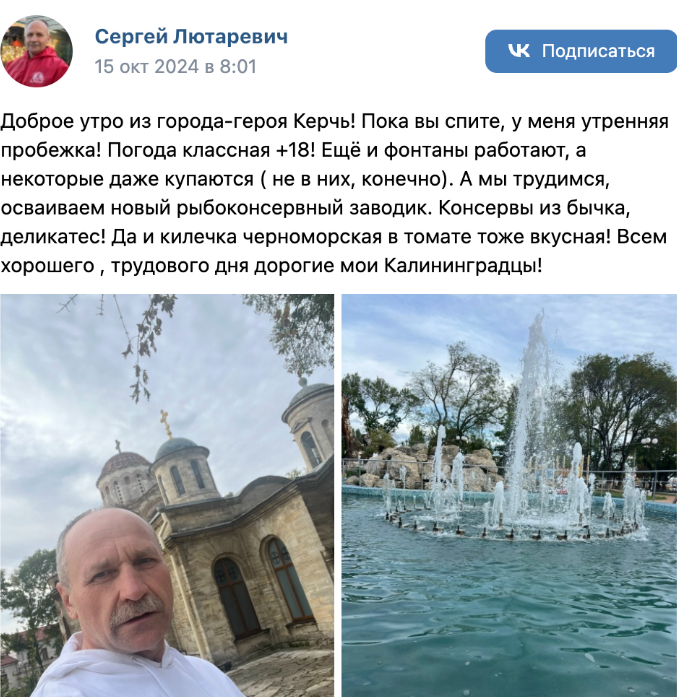
This enthusiastic post from occupied Kerch in October 2024 was published on social media by Sergei Lyutarevich, owner of the Group of Companies “For the Motherland!” from Kaliningrad. The “new little factory” is none other than the Kerch-based “Prolyv” fish canning factory, which Lyutarevich acquired through theft, legalized by the Russian occupation government in Crimea as “nationalized property of persons hostile to Russia”. This is not the first time Lyutarevich has resorted to fraud. He became the ‘sprat king’ of Russia after fraudulently taking two fish canning factories and six trawlers out of Latvia.
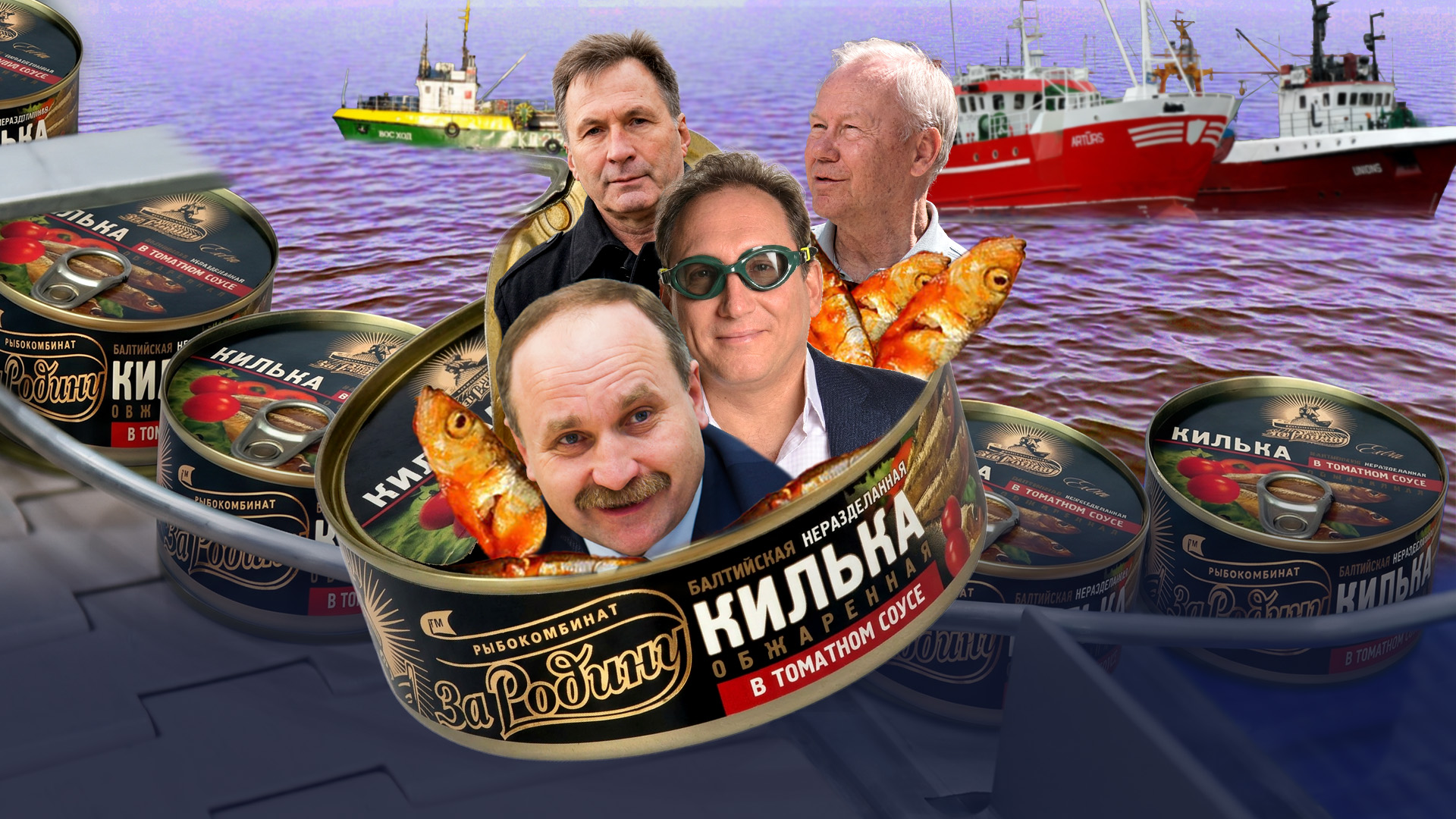
Since 2014, Western sanctions have been imposed on Russia over its occupation of Crimea and the war in Donbas. In response, Russia imposed counter-sanctions on imports from Western countries. Already delivered foodstuffs were burnt and crushed by bulldozers. Most of Latvian fish processing plants, which had focused solely on the Russian market, went bankrupt, and their assets were sold at auction. Two plants were bought by Sergei Lyutarevich, the former Minister of Agriculture of Kaliningrad Region. However, he did not resume production, but dismantled the new Western equipment and secretly transported it to Russia in fifty trucks.
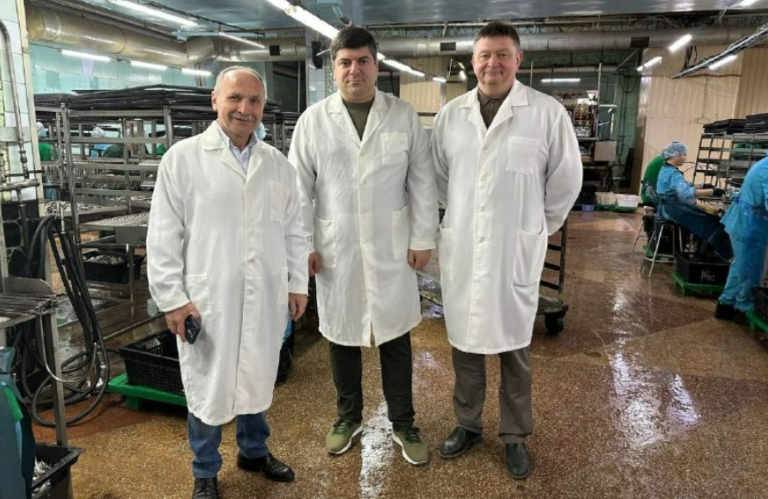
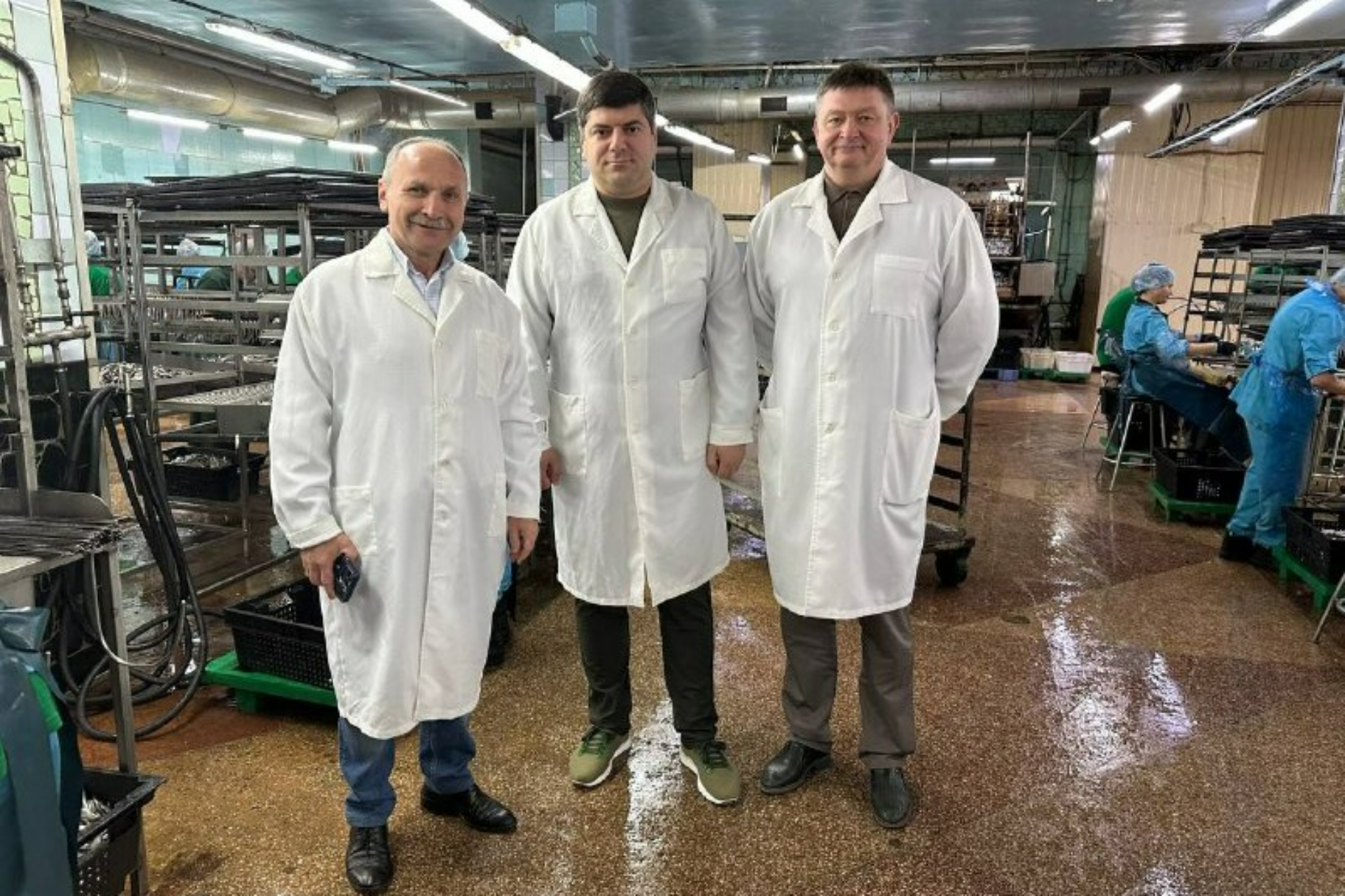
Sergei Lyutarevich (exreme left), Anushavan Agadzhanyan, Minister of Industrial Policy of Crimea (center) at factory “Prolyv”, October 2024. Photo: rk.gov.ru
In an interview with the Russian edition of Forbes, Lyutarevich said that he had also secretly moved six fishing trawlers from Latvia during the night. He says this was also no easy feat: the vessels were towed to the Kaliningrad region, registered under new names and the Russian flag, and repainted in the corporate red colour.
Consequently, the fleet of Group of companies “For the Motherland!” currently consists of 12 fishing trawlers – half of which were smuggled out of Latvia. Most of the trawlers are registered to the company “For the Motherland – Baltika”, owned by Sergei and Natalia Lyutarevich. The fleet also includes nearly two dozen small fishing boats, registered to a cooperative of former collective farmers. Lyutarevich’s business operates not only in the Baltic Sea but also in the Caspian Sea, where they catch 90% of the Caspian sprat. They have now reached the Black Sea as well.
In 2023, Lyutarevich pulled off yet another scam during the latest wave of expropriation of Ukrainian assets carried out by the Russian occupation government under the slogan “we will not let the Bandera supporters make money in Crimea”. The list includes two fish processing plants: “Prolyv” in Kerch and the “Arktika” canning factory, located nearby in the village of Osoviny in the Leninsky District. Both plants were handed over to Lyutarevich, without any mention of even a token auction, as is usually the case with the Russian sale of stolen assets.
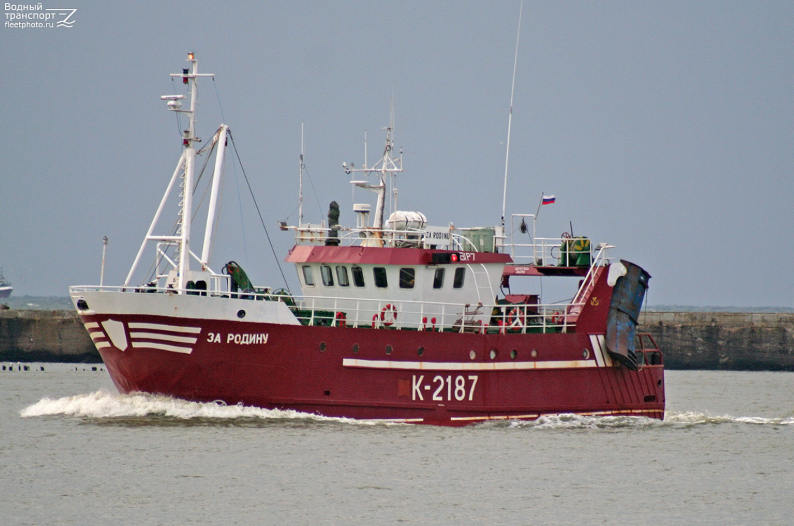
Photo: fleetphoto.ru
And this raises the question: how did Ukrainian factory owners manage to hold out under the Russian occupation for almost 10 years (from 2014 till 2023)? Their apartments, houses and dachas are one thing, but these are industrial enterprises! They must have been registered in the Russian Register of Legal Entities and strictly controlled by Russian governmental bodies. Representatives of Russian security services should have stationed at every enterprise.
The answer is simple, and regular readers and viewers of the Centre for Journalist Investigations are already aware of it. From 2014 to 2021, the Ukrainian law on the so-called “Free Economic Zone” in occupied Crimea has been in force, allowing Ukrainians to conduct business on the peninsula, in defiance of Western sanctions and common sense. Such businesses existed simultaneously under two jurisdictions – Russian and Ukrainian – but paid taxes only to Russian occupation authorities, thereby greatly helping Russia to establish itself in Crimea, build up its military base and feed the occupants.
This is precisely how “Prolyv” factory managed to retain its Ukrainian final beneficiaries. Clones of Ukrainian companies were registered in Russia – “Kerch Fish Canning Factory “Prolyv” and “Prolyv” – with founders based in offshore jurisdictions.
We will not bore you with a list of the legal entities under which Kerch plant was registered before and during the Russian occupation. The trail always led back to companies owned by businessmen from Dnipro, known for their glassware production – Yuriy Kryshin and his son Oleg Kryshin. In 2014, the latter became a Member of Parliament elected by a single-member constituency and joined the “People’s Front” faction – the party of the then Prime Minister Arseniy Yatsenyuk.
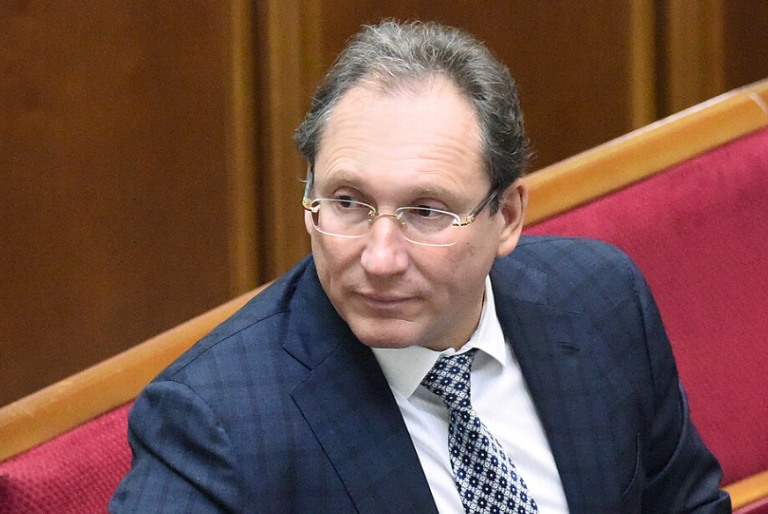
Oleg Kryshin, photo: Wikipedia
In 2015, Russian clone LLC “Prolyv” changed its legal address from Kerch to Moscow. Canned goods under Ukrainian brands “Prolyv”, “Vilnas”, “Bospor” and “Laatsa”, owned by the company, were produced in occupied Crimea. In 2018, “Sprats in tomato sauce”, produced by “Prolyv” factory, was recognized as the best in Russia.
In 2019, Oleg Kryshin ran once again for the Verkhovna Rada under fervent patriotic slogans but he lost.
Meanwhile, business of Kerch factory under Russian occupation was going on successfully: at the time of its expropriation, Moscow-based clone of the Ukrainian company had an annual turnover of one billion Rubles and a net profit of almost 127 million. Today, Yuri Kryshin is indicated as founder and beneficiary of Ukrainian LLC “Prolyv” in Dnipro, without any offshore companies.
When Sergei Lyutarevich took control over Kerch factory and its canned food brands, he decided to cut their shared history in both jurisdictions and registered a new company “Prolyv 1873”. In 2025, it became the leader of the canned fish industry in occupied Crimea, with a turnover of 1.6 billion Rubles. It does not disclose its supplies to the Russian Armed Forces or law enforcement bodies. But there are numerous online reports about its assistance to “fighters of Russian special military operation”.
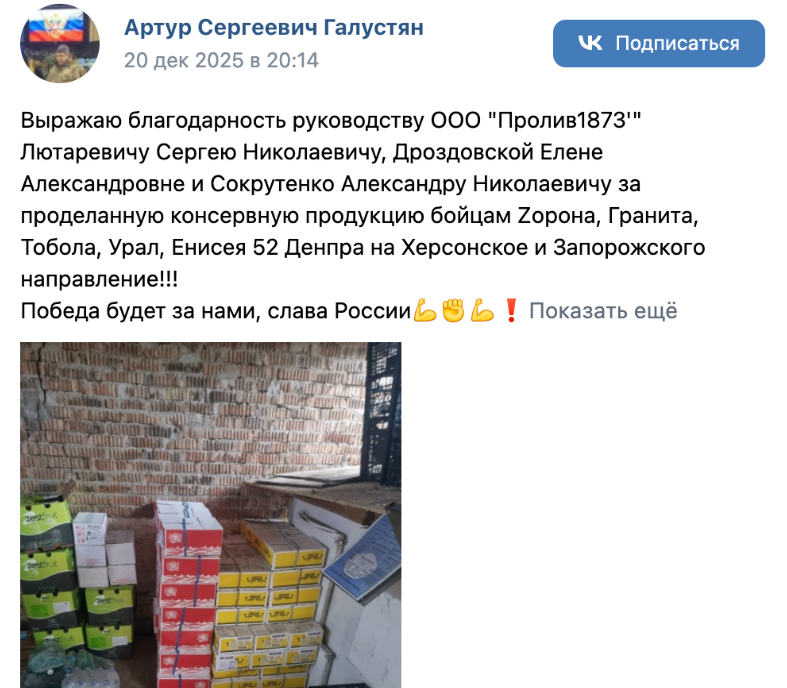
Kaliningrad king of sprats Sergei Lyutarevich actively finances procurement of drones and other equipment for the killing of Ukrainians and supplies food to Russian occupants.
It should be noted that the expropriated “Prolyv” factory is the undisputed leader in terms of turnover, not only in occupied Crimea but also in Sevastopol. Moreover, the most successful fish canning factory in Sevastopol, “Novy”, has far less turnover than “Prolyv” and is going bankrupt. The same applies to two largest fish-processing plants once associated with it – “Interrybflot” and “Aquamarine”. At the time of the Russian occupation of Sevastopol, “Interrybflot” Group of companies produced 100 million tins of canned fish per year. In December 2014, the factory suffered a hostile takeover – a Moscow-based firm secured the necessary court ruling, and its security guards stormed the premises.
Sevastopol media write that the city may lose its own canned fish products.
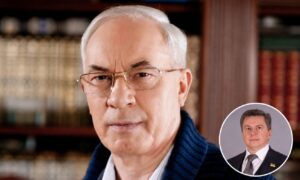
It is Volodymyr Nigar, manager and co-owner of several companies within the Group of companies “Interrybflot”. It was created by Vyacheslav Verkhodanov, former Deputy Head of State Committee of Fishing Industry of Ukraine, on the basis of Soviet association “Atlantika” and its fleet.
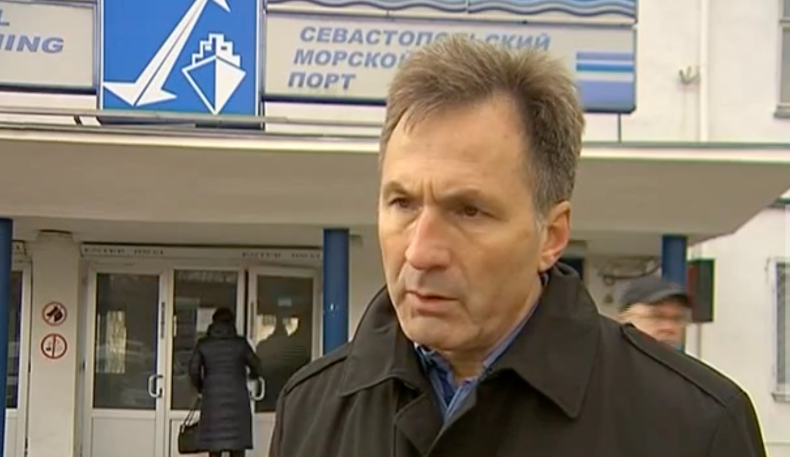
Volodymyr Nigar. Screenshot of video “NTS Sevastopol”
The former official acquired three floating fish canneries, transport vessels and production facilities in Sevastopol. The Ukrainian company ‘Interrybflot’, which had expanded to include further companies and plants, supplied Ukraine and foreign markets with canned fish under brands ‘Aquamarine’, ‘Wild Fish’ and ‘Golden Sprats’.
After the Russian occupation of Crimea, the company changed its registered address from Sevastopol to Kyiv, with Hryhoriy Lutskay becoming its director and co-founder. The group’s most valuable asset – the powerful fishing trawler “More Sodruzhestva” – was engaged in krill fishing in the Antarctic at the time of the Russian occupation. It never returned to Sevastopol.
However, that same year, a clone of the Ukrainian company ‘Interrybflot’ appeared in the Russian register, founded by Lutskay’s partners – Volodymyr Nigar and Vladimir Gelvanovsky. They promptly, immediately after the Russian illegal referendum, submitted documents and registered the rights to the Ukrainian main trademark “Aquamarine” with the Russian Patent Agency.
After that everything was done in accordance with the Ukrainian Law on fake “Crimean Free Economic Zone”. Canned goods with this trademark and logo were sold in Ukraine, Russia and occupied territories during all years of the Russian occupation of Crimea. The tinned goods were produced in Sevastopol, as well as in Mykolaiv and Odesa region. Although there has been only one source of krill. We reported about this business in an investigation for the project of Slidstvo.info.
Back in 2021, companies of “Interrybflot” in occupied Sevastopol were full of plans – including the construction of new trawlers at Sevastopol Shipyard, stolen by Russians. However, Putin’s Russia had other plans – a full-scale invasion into Ukraine with the aim of its complete destruction.
Crimea has become one of the main bases and transit routes for Russian military logistics. As we reported in previous articles on the decline of the fishing industry on the occupied peninsula, fish catch in Black and Azov Seas have fallen sharply due to a ban on going out to sea, the closure of commercial fishing grounds for military purposes as well as pollution of the waters and all marine life by oil products.
The owners of companies within the ‘Interrybflot’ group did not merely cooperate with the Russian occupation government in Sevastopol – they actively supported the occupation, participated in Russian exhibitions and propaganda events. However, when the war against Ukraine left them unable to repay their loans to Russian banks, they were simply abandoned. Consequently, their companies “Interrybflot”, “Aquamarine” and “Novy” have been declared bankrupt.