Articles with a tag: sanctions against Russia
Велика Британія запровадила санкційні обмеження проти 86 фізичних та юридичних осіб Росії. Санкції пов’язані з російським енергетичним, металургійним, оборонним, транспортним та фінансовим секторами.
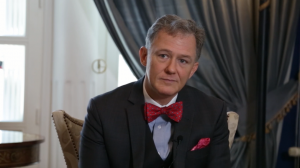
Megan Smith is a Legal Officer at REDRESS, a British NGO that, among other things, works with civil society organizations from other countries to help draft sanctions submissions to the UK government under the recently adopted Magnitsky Act. Megan works specifically on the use of Magnitsky sanctions to hold those committing serious human rights violations accountabile. In her recent efforts, Megan has developed and campaigned for solutions to the lack of funding for reparations for victims of serious human rights violations, focusing on the use of sanctions and asset recovery mechanisms.
An experience of Megan Smith and REDRESS can be useful for Ukrainian human rights activists who have recently promoted the idea to impose sanctions for violations of human rights in occupied Crimea and Donbass, and for Ukrainian lawmakers and experts working on reloading the Ukrainian sanction policy. Megan Smith was interviewed by Yulia Kazdobina, expert of “How sanctions work” special project of the CJA and the head of the Ukrainian Foundation for Security Studies.
The main task of «the Friends of Crimea International Association» is to legitimize annexation of Crimea by Russia and to lift Western sanctions. It has been reported that «national clubs» from 30 countries were members of the Association. The Center for Journalist Investigations described each of them in the special project «Friends of the Occupation of Crimea» as it is very important to know: who supports Russia in its war against Ukraine; who are Moscow agents in the West and who lobbies Kremlin agenda in any given country and how this activity is financed.
Those «friends of Crimea» who answered information requests or calls by Center’s journalists persuaded that they covered their trips to Crimea from their own pockets and that Russia did not pay them for their pro-Russian activity. If these Kremlin agents pay themselves for their flights through Moscow to Crimea and for expensive hotels of the Southern Shore of Crimea, then, who are recipients of hundreds of millions of the Yalta Economic Forum Fund? It is within this Forum friends of Crimea meet. How is their Association financed if it does not exist de jure? We explored Russian public procurement and registers, and now we can tell what «fuel» feeds this propaganda machine.